In the competitive retail landscape, Point Of Purchase Displays play a crucial role in capturing customer attention. Renowned retail expert James Donovan emphasizes their importance, stating, "Effective displays can turn browsers into buyers." This highlights the transformative power of strategically placed displays.
Point Of Purchase Displays serve not just as decorative elements but as essential marketing tools. They guide customers towards purchasing decisions, often influencing last-minute choices. For example, vibrant, well-placed displays can significantly boost sales of specific products, creating impulse purchases.
Yet, despite their effectiveness, many retailers overlook the value of these displays. Some might prioritize online marketing over in-store visuals, risking potential sales. Others may lack the knowledge to create compelling designs. It’s crucial for retailers to reflect on their display strategies. Properly utilizing Point Of Purchase Displays can enhance customer experience and drive revenue, but it requires careful planning and execution.
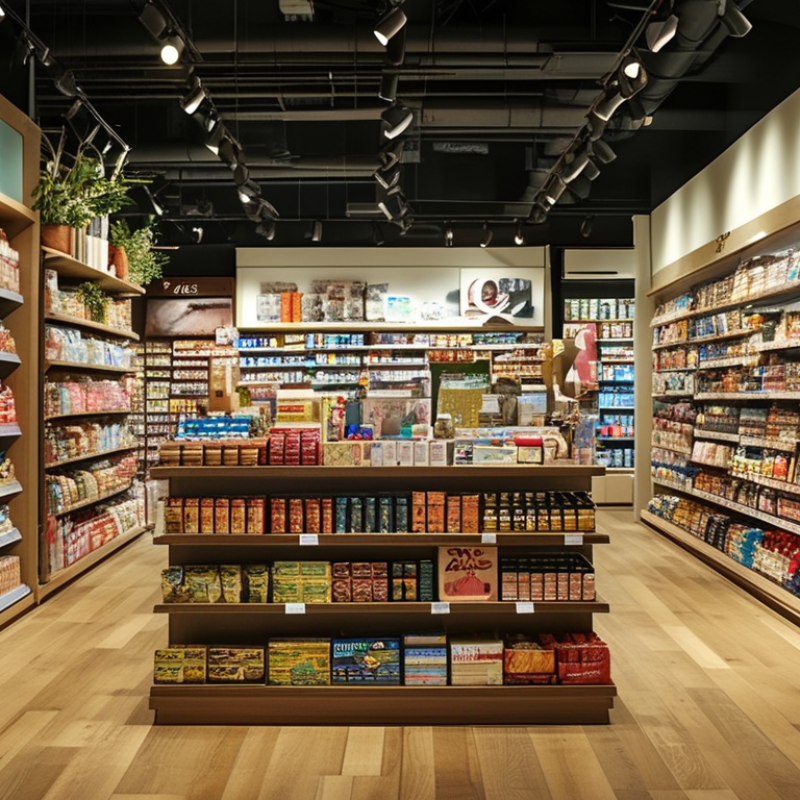
Point of purchase (POP) displays play a vital role in retail environments. These strategic placements can influence consumer behavior significantly. According to a study by POPAI, nearly 70% of purchasing decisions are made at the moment of sale. This emphasizes the importance of effective display design in capturing shopper attention.
Effective POP displays create an engaging shopping experience. They should highlight promotional items and new products. Visual appeal matters greatly. Bright colors and interactive elements catch the eye. Simple messaging ensures clarity. Research indicates that displays designed with aesthetics tend to boost sales by up to 20%.
Tip: Regularly update displays to reflect seasonal changes or new stock. This keeps the shopping environment fresh and engaging.
Even with the best intentions, not all displays are effective. Poor placement or cluttered designs can confuse customers. It's essential for retailers to test and refine their display strategies continually. Observing customer interactions can provide insights for improvement.
Tip: Gather feedback from shoppers about display effectiveness. This can lead to valuable enhancements and better sales outcomes over time.
Effective Point of Purchase (POP) displays play a vital role in retail. They serve as the final touchpoint before a purchase. These displays can grab customers' attention and influence buying decisions. Well-designed POP displays can create a memorable shopping experience, guiding customers towards products they may not have considered.
One key benefit is their ability to boost impulse buying. Research shows that many purchasing decisions are made at the moment. Strategically placed displays highlight promotions or new products. When shoppers see something compelling, they often act on it. Additionally, POP displays can educate consumers about product benefits. Clear and engaging visuals can simplify complex information, making products more appealing.
However, not every display hits the mark. Poorly designed displays can confuse or annoy shoppers. It’s essential to continuously test and optimize these displays for better results. Retailers should pay attention to location, lighting, and messaging. Taking a critical look can help find areas for improvement. Building effective POP displays involves understanding customers and their needs. The balance of innovation and simplicity can elevate retail success.
Point of purchase (POP) displays play a vital role in retail settings. They capture customer attention and influence purchase decisions. Various types of POP displays can enhance the shopping experience. Each type serves a unique purpose.
One common type of display is the countertop display. These small, eye-catching setups sit at checkout areas. They encourage impulse buying. Another popular type is the end cap display. Positioned at the ends of aisles, these displays showcase high-demand products. They create visibility and drive sales.
In-store banners are also effective. Large visuals can guide customers to specific products. Additionally, interactive displays engage shoppers. They provide an entertaining experience while promoting products.
Retailers may struggle to measure the effectiveness of these displays accurately. It's essential to assess sales data critically after implementing them. Investing in the right types of displays can lead to improved retail success. However, constant evaluation is necessary to ensure they resonate with consumers.
Point of purchase displays (POP) play a vital role in influencing consumer behavior. Effective design can grab attention and encourage impulse buys. A well-placed display can turn a casual shopper into a buyer. The layout should be eye-catching yet simple. Use bold colors that align with the product. Creating a focal point can make your display stand out. It’s essential to ensure that the products are easy to reach. Cluttered displays can overwhelm potential buyers.
Consider the target audience when designing your POP displays. Understanding what appeals to them can guide your choices. For example, younger consumers may prefer trendy designs, while older shoppers might appreciate classic aesthetics. Transparency is crucial; an elaborate display may invite scrutiny. Make information accessible, and avoid overly complex arrangements. Test different designs in-store to gather feedback. Learning from what works and what doesn’t will enhance future displays. Adaptability is key to long-term success in retail environments.
Point of Purchase (POP) displays play a pivotal role in enhancing retail sales. Research indicates that well-designed POP displays can increase sales by up to 20%. Retailers often overlook the fine details of their displays, yet these can make a significant impact. A study from the Point of Purchase Advertising Institute found that 70% of purchasing decisions are made in-store. This underscores the importance of visually striking displays that capture attention.
Measuring the effectiveness of these displays is essential. Retailers should track metrics like foot traffic and conversion rates. Utilizing A/B testing can provide insights into what display designs resonate with customers. Not all displays perform equally. Some may attract glances, but few lead to purchases. Periodically reviewing sales data linked to specific displays will reveal which designs truly convert.
Tip: Use bright colors and engaging graphics to draw attention. Consider seasonal themes to refresh displays frequently. Make sure to assess and adapt based on performance—stagnant displays can lead to decreased interest. Regularly rotating merchandise keeps the environment dynamic, encouraging repeat visits. Retailers should be ready to experiment and refine their approach for the best results.
: They boost impulse buying and guide consumer decisions. Displays can increase overall sales by attracting attention.
Well-designed displays can turn casual shoppers into buyers. They highlight promotions and new products effectively.
Simplicity is vital. An eye-catching layout with bold colors makes a display memorable yet easy to understand.
Knowing what appeals to your audience shapes your display design. Different age groups favor different styles and aesthetics.
Clutter can confuse or annoy customers, leading them to overlook products. Simplicity often creates a better shopping experience.
Location, lighting, and messaging are crucial factors. Continuous testing can help refine displays for improved performance.
Complex displays may lead to skepticism. Easy-to-understand information invites trust and enhances customer engagement.
Adapting designs based on feedback helps retailers stay relevant. Learning from successes and failures is essential for growth.
Simplified visuals make products more appealing. Customers appreciate clarity when making purchasing decisions.
Overly intricate designs can turn customers away. Striking a balance between creativity and clarity is essential for impact.
Point Of Purchase Displays play a vital role in enhancing retail success by effectively engaging customers at the moment of purchase. These displays serve as strategic marketing tools that can influence buying decisions, making them essential for increasing sales and improving customer experience. By understanding the various types of displays and their key benefits, retailers can optimize their layouts to attract customer attention and drive impulse purchases.
To design impactful Point Of Purchase Displays, retailers should follow best practices that include clear messaging, eye-catching designs, and strategic placement. Measuring the success of these displays is equally important, as it allows retailers to assess their effectiveness and make informed adjustments. Overall, well-executed Point Of Purchase Displays can significantly elevate a retail environment and contribute to overall business growth.

DeltaStorage