What Is Metal Shelving and Which Type Is Best?

Time:2026-09-08 Author:Liam
0%

Metal Shelving is a practical storage system made from formed steel components, designed to hold products, tools, documents, or household supplies. Its strength comes from the material, the shelf structure, and the way each unit transfers weight to the floor. Common designs include boltless shelving, rivet shelving, wire shelving, and stainless steel shelving. Each option serves a different working environment.

It depends. The best type is not automatically the heaviest one. A dry stockroom may benefit from powder-coated steel shelves, while a humid workshop may need galvanized or stainless steel construction. Wire shelves improve airflow and visibility, but small items may require liners or storage bins. Rivet shelving handles substantial loads, although assembly can be less convenient than modern boltless systems. Adjustable levels also matter when boxes, cartons, and equipment change size over time.

A reliable choice begins with the real conditions of use. Measure the available wall length, ceiling height, aisle width, and floor levelness before comparing models. Check the manufacturer’s rated capacity, not an attractive photograph or a vague product description. Load ratings may depend on evenly distributed weight, shelf spacing, and proper installation. That detail is easy to overlook. A practical inspection should also consider sharp edges, corrosion protection, anchoring needs, and access frequency. “Best” may sound simple, but storage decisions are rarely simple. Even experienced buyers can underestimate future growth. Choosing slightly more flexibility today may prevent a costly replacement later.
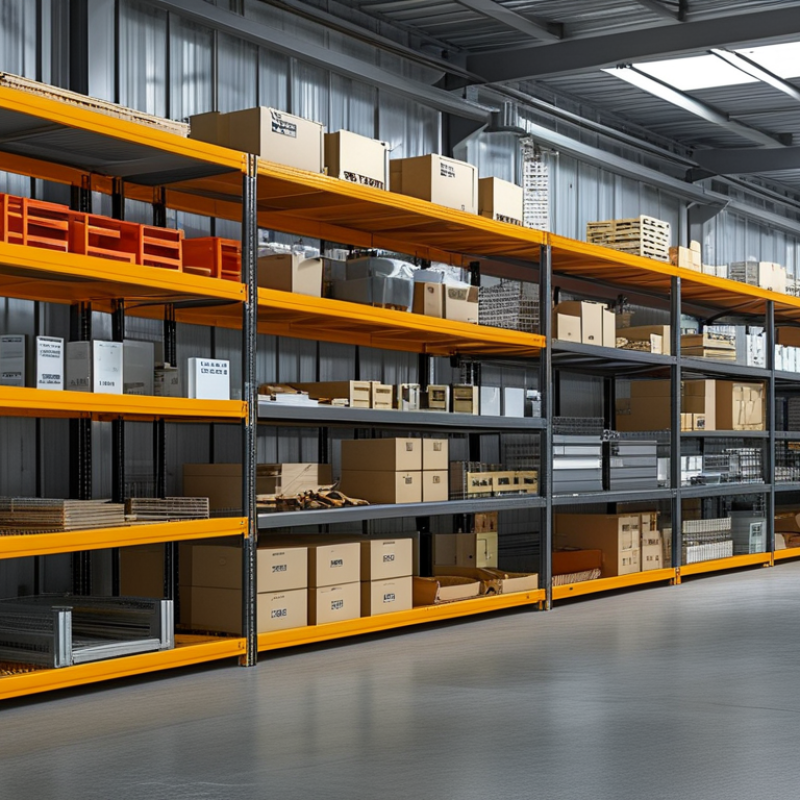
What Is Metal Shelving and Which Type Is Best?

What Is Metal Shelving? Definition and Core Components

Metal shelving is a storage system made from formed steel or other corrosion-resistant metals. It uses horizontal shelves, vertical uprights, and connectors to create organized levels. Unlike solid cabinets, it keeps stored items visible and reachable from several sides. A typical unit includes shelf panels, posts, braces, clips, or bolts. These parts transfer weight safely to the floor.

Shelf panels may be solid, perforated, or wire-based. Solid panels suit small parts that might fall through gaps. Wire shelves improve airflow and visibility in damp or dusty work areas. Uprights determine the frame’s height and spacing. Connectors hold each shelf at a selected level, while braces reduce sideways movement. Load capacity depends on steel thickness, shelf span, installation quality, and weight distribution. Check the tested rating, not a guess based on appearance. Heavy boxes belong on lower levels. Keep aisles clear.

Common designs include boltless, rivet, clip-in, and mobile metal shelving. Boltless systems assemble quickly, but poorly seated connections may loosen after repeated adjustment. Rivet units often feel rigid, although their shelf positions can be less flexible. Mobile shelving saves floor space, yet it needs a stable surface and careful access planning. I have seen users focus on shelf depth and overlook base leveling. That mistake can create rocking, uneven loads, and damaged goods. Measure the room, inspect each joint, and test the first loaded bay before expanding the installation.

How Does Metal Shelving Work? Frames, Shelves, and Load Distribution

Metal shelving works as a simple structural system: upright frames carry vertical forces, while shelves transfer stored weight toward those frames. Each frame needs a stable base and secure connections. Boltless units use interlocking supports, while bolted systems depend on tightened fasteners. Both can perform well when assembled correctly.

A shelf is not just a flat surface. Its depth, thickness, span, and material determine how much it can support without bending. A long shelf may sag even when its total load seems reasonable. Load distribution matters more than many people expect. Place heavier boxes near the uprights, not at the center. Keep weight spread across the shelf. Avoid stacking dense items on one corner.

Cross-bracing, back panels, and level feet improve stability, especially on uneven floors. Frames should stand plumb, with no rocking or twisted connections. In warehouses, I check the lowest shelf first because it often carries the greatest practical load. I also inspect bent beams, loose fasteners, and overloaded areas during routine checks. Small defects grow. That is easy to miss. A stated capacity is only reliable when the load is evenly distributed and the unit remains properly anchored. I once treated a slightly uneven floor as harmless; it created movement under repeated loading. That assumption needed correction. Choose light-duty, medium-duty, or heavy-duty shelving according to item weight, handling frequency, and required access, not appearance.

What Are the Main Types of Metal Shelving?

Metal shelving is a storage system built from formed steel, wire, or tubular components.

Its design affects load capacity, access speed, and long-term safety. The main types serve different working conditions.

Clip-in shelving uses steel panels that lock into vertical posts without bolts. It suits offices, archives, and light-duty stockrooms.

Rivet shelving uses beam-and-post connections, offering faster assembly and stronger support for cartons.

Boltless shelving is flexible and practical for small warehouses, although repeated relocation may loosen connections.

Wire shelving improves airflow and visibility, making it useful for kitchens, medical storage, and damp areas.

Mobile shelving runs on tracks and reduces aisle space, but installation costs and floor requirements are higher.

According to Grand View Research, the global warehouse automation market reached USD 23.04 billion in 2023, showing stronger pressure to use space efficiently. MHI’s 2024 Annual Industry Report also identifies labor availability and warehouse capacity as continuing operational concerns. These trends make adjustable shelving more valuable, especially when inventory changes often.

For heavy goods, rivet or bolted systems usually provide better stability than light clip-in units. Check the manufacturer’s tested load rating, not just the thickness of the steel. That detail is often missed.

A practical trial helps.

Load one shelf with real cartons, inspect deflection, and test access during busy periods. Wire shelving looks clean, but small items can fall through. Mobile shelving saves floor area, yet slow access may frustrate picking teams. There is no universally best type. The wrong choice may still fit the room.

Which Metal Shelving Type Best Fits Your Storage Needs?

Choosing the right metal shelving starts with your storage conditions, not appearance. The best type depends on item weight, access frequency, available space, and room humidity. Measure the floor area carefully. A shelf that holds boxes may not suit long tools or narrow cartons. This sounds obvious. It is often missed.

Wire shelving suits clean, open storage where airflow and visibility matter. Its ventilated surfaces work well in storerooms, kitchens, and supply areas. However, small items can slip through the gaps. Use shelf liners when needed.

Rivet shelving offers strong, adjustable levels for cartons, equipment, and irregular loads. It usually assembles quickly without complex tools. Uneven floors can still affect stability, so leveling feet or proper anchoring may be necessary.

Steel cabinet shelving fits valuable documents, hand tools, and items needing protection from dust. It provides a more enclosed and controlled arrangement. Adjustable systems help when inventory sizes change, but movable parts should be checked for secure engagement.

I once treated load capacity as the only selection factor; that was a poor shortcut. Clearance, corrosion resistance, shelf deflection, and worker reach matter too.

Check the rated capacity for each shelf, not just the entire unit. Follow the installation guidance and inspect connections after loading. Heavy items belong on lower levels, while frequently used supplies should remain between knee and shoulder height. A slightly smaller unit may serve better than an oversized one that blocks movement.

What Safety and Maintenance Practices Keep Metal Shelving Reliable?

Metal shelving stays reliable when its safety limits are treated as working rules, not suggestions. Check the manufacturer’s load rating before storing boxes, tools, or containers. Place heavier items on lower shelves to reduce tipping risk. Keep each load centered, with no sharp edges projecting into walkways. Never stand on a shelf. Use an approved step ladder instead.

Inspect the unit regularly. Look for bent uprights, loose bolts, cracked welds, missing clips, and unstable feet. Small faults can grow quickly. Tighten fasteners with the correct tool, but do not force damaged threads. Anchor tall shelving to a suitable wall or floor when the design requires it. Leave clear aisles around the unit, and avoid placing shelving near heat, water leaks, or vehicle traffic.

Clean spills immediately with a mild cleaner and dry the metal completely. Moisture trapped beneath cartons can create hidden corrosion. A monthly inspection works well for many workplaces, although busy storage areas may need weekly checks. Record defects and remove overloaded or damaged shelves from service until repaired. Labels can fade. Replace them when weight limits become hard to read. A practical review should also question old habits: evenly filled shelves may still be unsafe if the floor is uneven or the anchoring no longer holds.

FAQS

: What is metal shelving?

: Metal shelving is a storage system made from formed steel or corrosion-resistant metal. It uses shelves, uprights, connectors, and braces. These parts transfer stored weight safely to the floor. Items stay visible and reachable.

What are the main parts of a metal shelving unit?

Common parts include shelf panels, vertical posts, clips, bolts, and braces. Shelf panels hold the load. Posts control height and spacing. Connectors secure each shelf level. Braces reduce sideways movement.

Which shelf surface should I choose?

Solid panels suit small parts that could fall through gaps. Wire shelves improve airflow and visibility. They work well in damp or dusty areas. Use shelf liners for tiny items.

How do I choose the right shelving type?

Consider item weight, access frequency, room size, and humidity. Wire shelving suits open storage and good airflow. Rivet shelving handles cartons and irregular loads. Enclosed steel shelving protects documents and tools from dust. Measure the room carefully.

Does shelf appearance show its load capacity?

No. Appearance can be misleading. Check the tested rating for each shelf. Capacity depends on steel thickness, shelf span, installation quality, and weight distribution. Do not rely on a visual guess.

Where should heavy items go?

Place heavy boxes on the lower shelves. This lowers the center of gravity and improves stability. Keep frequently used supplies between knee and shoulder height. Avoid uneven loading.

What installation problems should I watch for?

Poorly seated connectors may loosen after repeated adjustments. Uneven floors can cause rocking and uneven loads. Level the base before loading shelves. Inspect every joint. Test one loaded bay first.

Can mobile shelving save space?

Mobile shelving can reduce the floor area used by fixed aisles. It needs a stable, level surface. Access routes must be planned carefully. A smaller unit may work better than an oversized one. More capacity is not always better.

Conclusion

Metal Shelving is a durable storage solution made from steel or other strong metal materials, typically consisting of upright frames, horizontal shelves, support beams, and connecting hardware. Its structure works by transferring the weight of stored items from each shelf to the frame and then down to the floor, allowing organized storage in homes, offices, workshops, warehouses, and other spaces. The right design depends on the items being stored, available room, required capacity, and how often the shelves will be accessed.

Common types include open shelving, adjustable shelving, boltless systems, mobile units, and heavy-duty racks. Open and adjustable models suit flexible everyday storage, while mobile and high-capacity systems are useful when space efficiency or greater load support is important. To keep Metal Shelving reliable, users should assemble it on a level surface, follow its stated weight limits, distribute loads evenly, secure tall units when necessary, and inspect frames, connectors, and shelves regularly. Cleaning spills promptly and replacing damaged components can further improve safety and service life.

Liam

Liam

Liam is a dedicated marketing professional with a profound expertise in the industry, where he excels at highlighting the unique advantages of our core products. With a keen understanding of market trends and consumer needs, Liam frequently updates our company’s professional blog, providing......