How to Choose the Best Retail Shelving Units for Your Store?

Time:2026-08-24 Author:Mason
0%

Choosing the right "Retail Shelving Units" is crucial for any store looking to enhance its display and improve customer experience. According to industry expert John Steel, "The right shelving can transform how customers interact with products." His insight highlights the importance of selecting units that not only showcase merchandise effectively but also fit your store's unique design and layout.

Retail shelving units come in various styles and functions. Each unit serves a different purpose, catering to diverse needs. For instance, adjustable shelving offers flexibility for changing inventory. Meanwhile, specialty display units can draw attention to new arrivals. Understanding the nuances between these options is essential for every retailer.

However, making the right choice isn't always straightforward. Evaluating your space and customer flow can be challenging. It's crucial to consider what works best for your products, rather than merely following trends. By investing time in assessing your options, you can ensure that your retail shelving units serve both functionality and aesthetics, enhancing your overall store appeal.
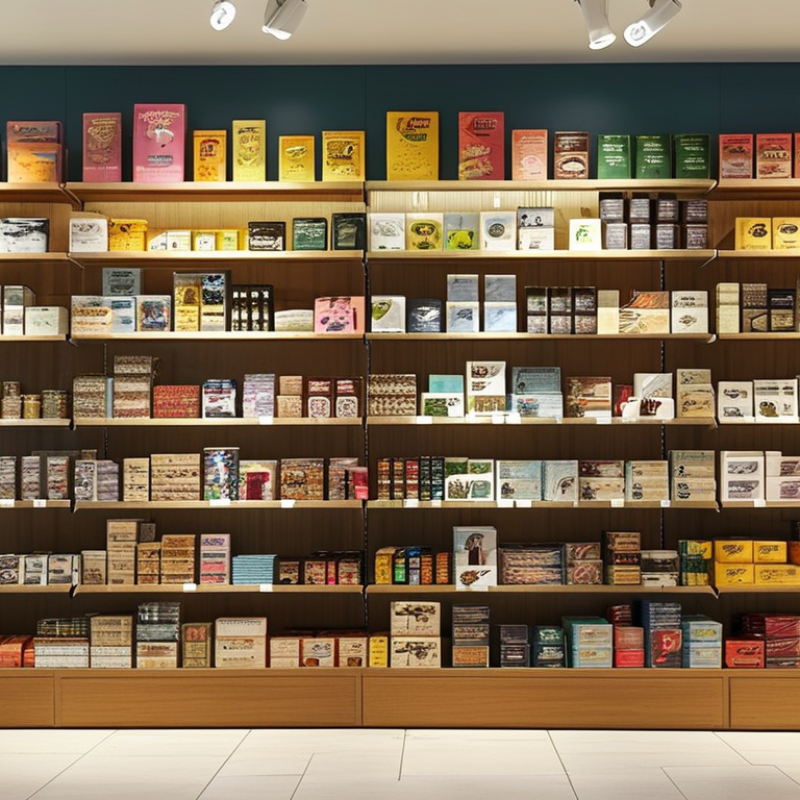
How to Choose the Best Retail Shelving Units for Your Store?

Understanding Different Types of Retail Shelving Units Available on the Market

Choosing the right retail shelving units is crucial for store layout and product visibility. Different types offer unique benefits and challenges. Gondola shelving is popular for its versatility. It provides easy access and can be adjusted for various products. According to the National Retail Federation, visual merchandising can increase sales by up to 30%. Optimizing space with the right shelving units enhances customer experience.

Wall shelving is another option. It saves floor space while allowing for creative display. This type often features adjustable shelves, catering to different product sizes. Retailers should consider the weight capacity of wall units. It’s essential to ensure safety while showcasing items effectively. Reports indicate that effective space utilization can lead to improved product turnover rates.

Consider these tips when selecting shelving units: prioritize ease of assembly and adjustability. Look for materials that balance strength and aesthetics. Reflect on past displays—what worked well, and what didn’t? Understanding the strengths and weaknesses of each shelving type can guide better purchasing decisions. A thoughtful approach to retail shelving provides a strong foundation for sales.

Assessing Your Store's Space and Layout for Optimal Shelving Design

When evaluating your store’s space, consider how customers navigate through it. Analyze the flow of foot traffic. Identify high-traffic areas and spaces that often feel cramped. This will help you determine where to place shelving units. Flexibility is key. You might need to adjust your layout over time as trends and customer preferences change.

Next, think about the dimensions of your shelving. Measure your available space carefully. Tall shelves can maximize vertical space but might make the store feel cluttered. Low shelves allow for visibility but may limit storage. Balance is critical. Avoid overwhelming customers with too much display in one area. Experiment with various configurations to find the right fit.

Lighting plays a crucial role as well. Examine how natural light affects your display areas. Well-lit shelves attract attention. Conversely, dark spaces can deter shopping. Ensure your shelving design enhances the overall store experience. Reflect on previous setups. Did certain arrangements work better than others? These insights will guide your decisions moving forward.

Evaluating Material Durability and Weight Capacity for Shelving Units

Evaluating material durability and weight capacity is crucial when selecting retail shelving units. Different materials offer unique benefits. For instance, metal shelves are typically strong and can hold heavier items. Wood, while aesthetically pleasing, may not support as much weight. Consider your products' size and weight before making a decision.

Weight capacity is another critical factor. Units vary significantly in how much they can hold. Overloading shelves can lead to accidents and loss of inventory. Look for shelving units with clearly stated weight limits. If unsure, consult with experts to find appropriate options. A unit that seems durable may still fail under excessive strain.

Test different materials under realistic conditions. For example, simulate the weight of your heaviest products. It may reveal weaknesses in certain shelving types. Carefully assess how various designs affect your store's layout. A well-placed, durable unit can enhance your store's functionality. Ensure it meets both your aesthetic needs and practical requirements.

Analyzing Customer Flow: The Impact of Shelving on Shopping Behavior

Understanding customer flow is crucial for effective retail management. Shelving units play a significant role in this dynamic. The layout, height, and style of shelves can guide customers through the store. For example, a longer aisle with low shelving encourages exploration. However, if shelves are too high, they may block sight lines and inhibit movement.

Shelving also influences the decisiveness of shoppers. Clear organization allows for easier navigation. Products placed at eye level attract more attention. In contrast, cluttered or disorganized displays can frustrate customers. This can lead to a hurried shopping experience, often resulting in fewer purchases. Retailers must carefully evaluate how their shelving encourages or discourages customer engagement.

Additionally, emotional response is vital. Shelving that reflects a brand’s identity can resonate with customers. Yet, what appears visually appealing might not serve functional purposes. Some layouts look pleasing but complicate flow. It is essential to regularly assess the effectiveness of shelving systems. Continuous improvement is key to ensuring that shelving aligns with changing customer behaviors and preferences.

How to Choose the Best Retail Shelving Units for Your Store?

Shelving Unit Type Material Height (ft) Width (ft) Weight Capacity (lbs) Price Range ($) Impact on Customer Flow
Grid Shelving Metal 7 4 500 100 - 200 Enhances visibility and access
Wooden Shelving Wood 6 3 300 150 - 300 Creates a warm, inviting atmosphere
Adjustable Shelving Metal/Plastic 5 3.5 400 80 - 150 Flexible to adapt to different products
End Cap Shelves Metal 8 2 200 120 - 220 Captures impulse buys at aisle ends
Corner Shelving Composite 5 4 350 90 - 180 Maximizes space in tight areas

Budget Considerations: Cost-Effective Shelving Solutions for Retailers

When selecting retail shelving, budget is a primary concern. A 2022 report by the Retail Industry Association indicates that effective storage solutions can increase sales by up to 30%. Choosing cost-effective shelving can directly impact your bottom line. Affordable options do not always equate to low quality. Retailers should consider materials such as steel or high-density plastic, which offer durability at a reasonable price. Many stores report significant returns on investment when utilizing versatile display systems.

Research from the National Retail Federation shows that 70% of shoppers make impulsive purchases influenced by product presentation. Well-chosen shelves enhance visibility and encourage sales. However, retailers often overlook maintenance costs. Quality shelving requires less upkeep, saving money over time. Investing in solid construction can reduce long-term spending. Remember, aesthetic appeal matters, but functionality is key. Balancing these aspects ensures that your budget supports both operational efficacy and customer engagement.

FAQS

: Why is material durability important for shelving units?

: Material durability determines how well shelves hold weight and withstand wear. Choosing the right material is essential for safety.

How do weight limits affect shelving unit selection?

Weight limits vary by unit. Overloading can cause accidents. Always check weight capacity before use to avoid problems.

What factors should be considered when testing shelving materials?

Test materials under realistic weights. Simulate heaviest products. This helps identify potential weaknesses in shelving choices.

How can shelving affect customer flow in a store?

Shelving height and layout guide customers. Low shelves encourage exploration, while high shelves might obstruct movement and views.

Why is organization of shelves important for retailer success?

Clear organization helps customers navigate easily. Disorganized displays frustrate shoppers, leading to hurried decisions and fewer purchases.

What role does emotional response play in shelving design?

Shelving reflecting brand identity can resonate with customers. However, aesthetics should not compromise functionality and flow.

How often should shelving systems be evaluated?

Regular evaluations are necessary. Retailers must adapt shelving to changing customer preferences and shopping behaviors for success.

Can aesthetics of shelving hinder sales?

Attractive designs might not be practical. Layouts that look good can complicate flow and customer experience, impacting sales.

What practical advice is there for designing shelving?

Balance aesthetics with functionality. Ensure that shelving enhances layout and meets both visual and practical needs effectively.

Is there a risk in assuming durability of a shelving unit?

Yes, assuming durability can lead to failures. Always verify a unit’s capabilities under expected strain before purchase.

Conclusion

When selecting Retail Shelving Units for your store, it is essential to understand the various types available to meet your specific needs. Begin by assessing your store's space and layout to ensure optimal shelving design that maximizes both product visibility and customer accessibility. Consider the durability and weight capacity of the materials used in the shelving units, as these factors can significantly impact your inventory management and overall store presentation.

Additionally, analyzing customer flow is crucial, as the arrangement of Retail Shelving Units can influence shopping behavior and enhance the shopping experience. Finally, keep budget considerations in mind to identify cost-effective shelving solutions that align with your financial goals while still providing functionality and aesthetic appeal. By carefully evaluating these aspects, you can choose the best shelving units to support your retail operations effectively.

Mason

Mason

Mason is a seasoned marketing professional with a deep expertise in the company's offerings and a passion for driving brand awareness. With a strong background in digital marketing strategies, he has an innate ability to connect with diverse audiences and effectively communicate product benefits.......